
Carbon County Busted Mugshot Records
Who makes an arrest in Carbon County depends on where it happens. A borough officer, the Sheriff, or Pennsylvania State Police can all take someone into custody. From there, a magisterial district judge handles the early court steps. The correctional side lands at the Carbon County Correctional Facility in Nesquehoning. That lockup also goes by Carbon County Prison. Each office keeps its own slice of the paperwork, so records end up scattered. Once a docket number exists, though, two clear stops emerge: the Clerk of Courts and the Pennsylvania UJS.
Administrative Order 11-2012 spells out central processing. It covers warrants, warrantless arrests, arraignment, bail, Livescan fingerprinting, CPIN entry, and the camera work behind a booking photo. This explains why the clock readings never match. An arrest time, a jail arrival, a booking, and a court entry can sit hours apart. Someone who posts bail still returns for electronic processing before the preliminary hearing. Someone who cannot post it rides to the facility.
Important: A booking entry only shows what police filed at arrest; the court docket is the place to track how the case actually ends.
Carbon County Booking Record Fields
Carbon County posts no official public booking screen with a tidy field list. Still, county policy and retention schedules reveal what an intake file can hold. When you file a narrow request, separate the arrest date from the intake date. Ask for one specific record, not a fresh report from an agency. If court details are public, weigh the docket over any commercial directory, which may lag or garble what the courthouse shows.
| Field | What the Carbon record path can show |
|---|---|
| Name and identifier | Identity is part of facility and court processing; an inmate number is not exposed on a verified public Carbon portal. |
| Arrest and intake timing | Ask whether the date is the arrest, arrival, or booking date because the central-processing sequence can span each stage. |
| Charge and warrant basis | These are charges at a procedural point. A public UJS docket is the route for later court events. |
| Bail and hearing information | The policy confirms bail and preliminary-arraignment handling, but no public Carbon roster field was verified. |
| Livescan and photograph | Official orders establish that processing can include fingerprints and photographs. They do not promise public photo release. |
| Release, transfer, or disposition | Facility, court, VINELink, PA DOC, BOP, or ICE may answer different custody questions. A disposition comes later through court records. |
The vocabulary trips people up. Booking is the administrative intake that follows an arrest. Arraignment is the first court appearance. Bond is what a judge sets to allow release. A disposition is how the case finally ends. A search result that shows only one stage can mislead you if you treat those terms as the same thing.
Note: Juvenile, sealed, expunged, limited-access, medical, and protected investigative material may be withheld even when an adult record is public.
Carbon County Busted Photo Access
A photo snapped during central processing is not automatically a public web photo. Carbon County has released no booking-photo roster anyone can verify. It has no separate photo-release policy either. Pennsylvania's Right-to-Know Law presumes records are open, but exemptions, CHRIA, court orders, and the custodian's judgment all shape the answer. The Pennsylvania Supreme Court has treated mugshots as identifiable descriptions under CHRIA. So an agency must weigh each request against current law rather than hand over every intake photo.
The Pennsylvania Office of Open Records overview explains the standard five-business-day window and the extension rules. Carbon has no dedicated Sheriff booking-request form. It publishes no photo-copy fee either. The central-booking order does set processing amounts, $75 before a preliminary hearing and $100 after bind-over. Those cover electronic fingerprinting and photographing, not the price of buying a copy of the picture.
- Identify the likely custodian, such as the correctional facility for an intake file, the police department for its report, or the court for docket material.
- Give the full name, a narrow arrest or booking date range, the exact record sought, and a requested delivery format.
- Ask for any segregable public portion and for the legal basis of a redaction or denial. Do not ask the agency to create a historical database.
- Keep the request, response date, and explanation. Ask the office to identify the appropriate appeal route if access is denied.
The Office of Open Records explains the Right-to-Know framework used for a focused request.
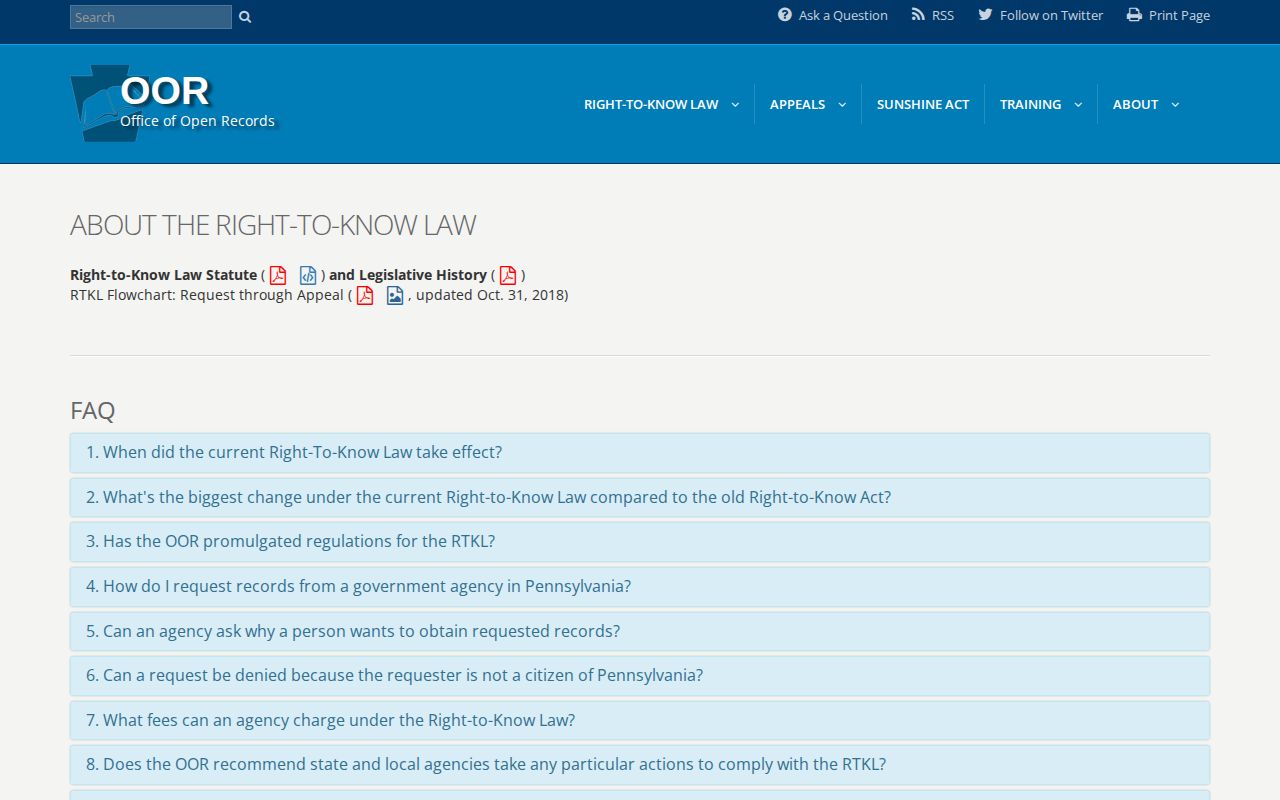
The state overview tells you how responses should work. The real decision, though, rests with the custodian who holds the particular Carbon record or photograph, and that office decides what the law lets it release.
Pennsylvania Mugshot Law and Corrections
Pennsylvania has no standalone mugshot-publication law. There is no anti-pay-to-remove statute either. House Bill 1585 cleared the House and stalled in Senate Judiciary, still a proposal with no deadline and no remedy attached. Until that changes, the operating rules are the Right-to-Know Law, CHRIA, court orders, and each agency's record duties. Criminal-investigation material can be exempt, and getting an image usually takes case-specific legal review.
Spotted a factual error? Start with the agency that keeps the record. Bring objective proof: a wrong person, a wrong date, a duplicate, or a later disposition. CHRIA provides a correction route for inaccurate information. For expungement, the Pennsylvania State Police instructions walk through the SP 4-170 review and its separate court-order process. Note the limits of that path. Limited access or expungement narrows public court visibility but does not automatically wipe every copy held by a publisher or a search engine.
Two commercial services publish free update procedures, though neither is an official Pennsylvania remedy. Mugshots.com says its record-maintenance requests can draw on court documentation for expungement, sealing, or a favorable disposition. RecentlyBooked says its free policy covers documented correction categories. It listed no Carbon County page, however. Fix the source record first. Then use a free documented process where a page actually exists, and only after that page changes or vanishes should you run Google's refresh tool. Never pay an unverified party for a removal promise.
Note: A court order, a record correction, a publisher update, and a search-result refresh are separate actions with different effects.
Carbon County Busted Arrest Lookup
Where do you even start? Match the search to the custody type. The correctional facility handles people in county custody right now. The Sheriff's portal covers active warrants. Filed cases belong to UJS. State sentences, federal custody, immigration holds, and release notices each live in their own state or federal system. Keeping these routes straight matters. It keeps a county pretrial lookup from getting confused with a state-prison locator.
- For a current Carbon custody question, call the correctional facility at (570) 325-2211 and ask which office can address the specific status or records question.
- For a warrant check, use the official Carbon County warrant table. It is not a booking log and it has no public photo column.
- For court events and a later outcome, search Pennsylvania UJS Case Search by name or docket number where available.
- When no online path answers the question, send a narrow RTKL or agency records request to the custodian that holds the specific record.
Want the formal warrant route? The Carbon County Most Wanted Fugitives page lays it out in detail. One caution: never approach anyone because of something you read online.
Carbon County Jail Roster: No Web Lookup
The county's official prison page describes a 174-bed correctional facility in Nesquehoning, along with its administration. What it does not offer is a public roster. There is no current-custody list, no results table, and no booking-photo policy anywhere on it. The Sheriff's official site lacks an inmate module too. That absence matters. A generic search form on some directory proves nothing about what the county actually publishes. Because no public interface exists, there is nothing to verify: no search fields, no update schedule, no persistence period, no bond column, no photo display. Phone the facility for current-custody questions instead. Older records take a focused request. Name the person, give an approximate date, and state the record type and format you want. Ask whether the office can confirm custody, whether an inmate file or commitment and discharge record exists, and what legal limits apply to photographs. The official Carbon County Prison page identifies the facility behind the county-custody route.
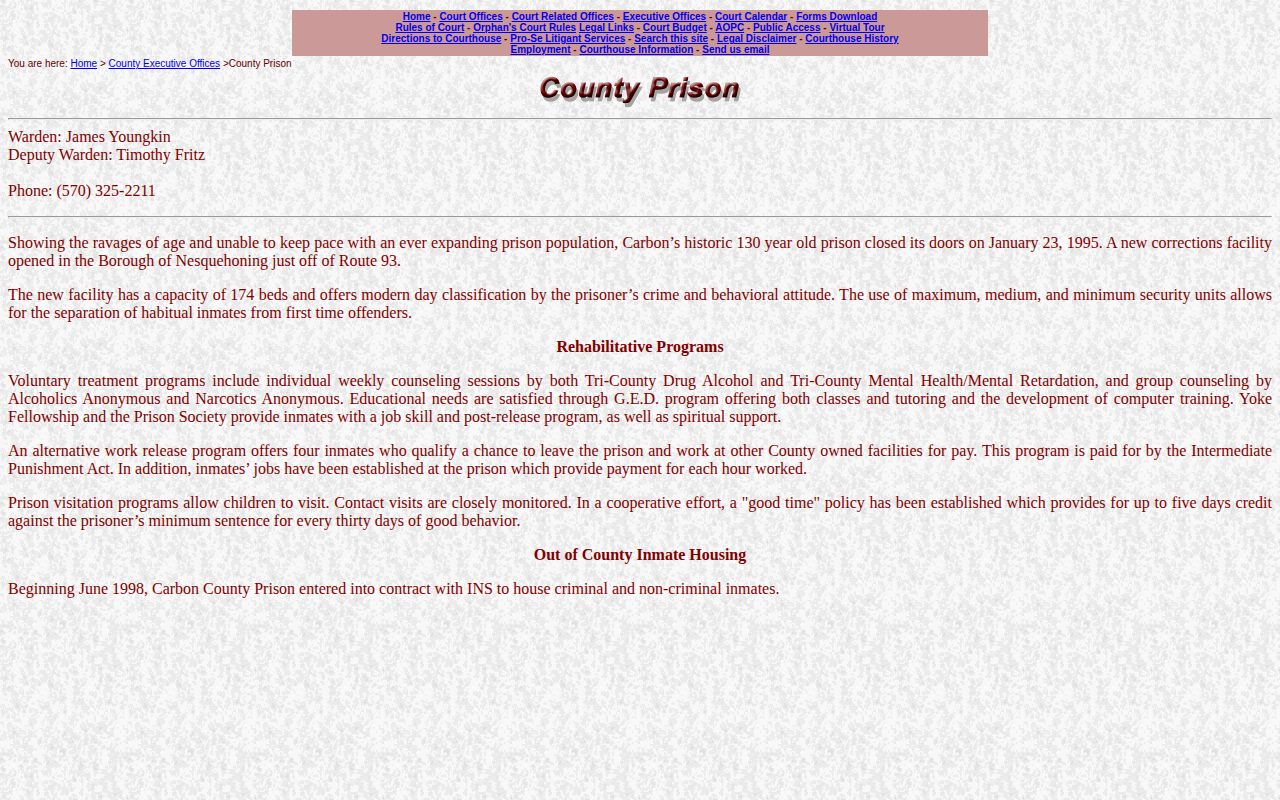
What the official page really gives you is a contact point. A phone number and an address, not a self-service roster or a photo feed. Whether any of the underlying records appear online is a separate question from how long they are retained.
Carbon County Busted Bookings: No Feed
Looking for a recent-bookings feed? None exists on the official side. The correctional facility, the Sheriff, the courts, and the borough police pages publish no same-day, 48-hour, 72-hour, weekly, or multi-day booking list. Administrative Order 11-2012 governs how arrests get handled, covering normal and after-hours procedure, on-call magistrates, bail, transport, and central processing. It spells out process, not publication. So an arrest on a weekend or holiday can follow a different timeline and still never show up on any website. Local news fills part of the gap. Times News runs Police Logs with items from Palmerton and Lehighton, though these summarize department activity and charges rather than confirming current custody. Among the commercial sites, RecentlyBooked claims statewide coverage of a recent window, yet Carbon was missing from its county list. Arrests.org had no Carbon entry either. Mugshots.com carries Carbon material, but it looks historical, with visible years ending in 2017. Note: A post vanishing from an unofficial page says nothing about a release, a dismissal, or the life of an official record.
Carbon County Busted Searches Beyond Jail
State cases call for different tools. The PA DOC inmate and parolee locator tracks people in state custody or on parole. It updates daily. A last name or inmate number works, with a first name optional. It cannot find someone held at Carbon County Correctional Facility after a local arrest. There is no public photo feature either. Save it for the state stage. Federal systems answer narrower questions. The BOP locator covers federal inmates only, not county detention, and shows no booking photos. ICE's locator handles current qualifying immigration custody and demands exact identity details. The county prison page mentions an INS housing contract from 1998. That historical note says nothing about a current ICE arrangement. For custody and release alerts, Pennsylvania SAVIN/VINELink is the official statewide notification route. It is not a photo archive. It is not a Carbon Sheriff app, and no official Carbon jail-information app exists. The Sheriff's warrant page points to social media wanted-subject posts, which are not a booking feed either. The SAVIN/VINELink instructions walk through the registration steps.
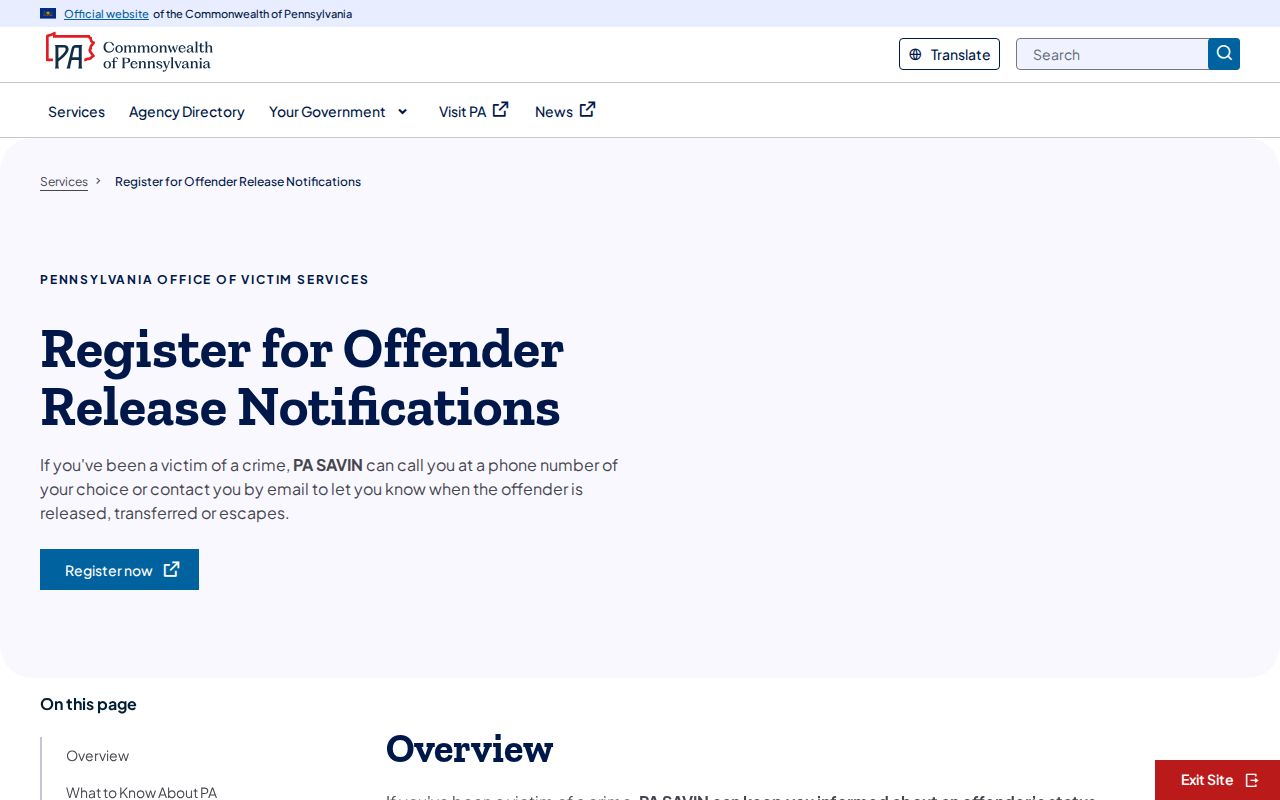
Registration helps you learn about status changes quickly. It does not replace the source. The facility, the warrant desk, or the court still holds the actual record, so go there when you need the underlying facts.
After a Carbon County Booking
What follows a booking? The court path runs through preliminary arraignment, bail, scheduled events, hearings, and eventually a disposition. For public case activity, UJS Case Search works by participant name or docket number. Carbon's Clerk of Courts reports a criminal docket computerized since 1984. Still, the portal can exclude juvenile, expunged, sealed, limited-access, and destroyed records. Bear that in mind. An empty search result does not prove an event never happened.
| Question | Best Carbon County route |
|---|---|
| Is someone currently in county custody? | Call Carbon County Correctional Facility and ask for the appropriate status route. |
| Was a specific municipal report made? | Contact the arresting police department or its Open Records Officer. |
| What happened in court? | Use UJS and, if needed, Carbon Clerk of Courts records. |
| Did a person move to PA DOC custody? | Use the official PA DOC locator for state-sentenced or parolee status. |
A release is not a cleared record. Booking paperwork can outlast the stay itself. Someone booked last week may already be home, and someone released months ago still has a file sitting in county hands.
Carbon County Booking Record Retention
How long does a booking file survive? Pennsylvania's 2026 County Records Manual gives the clearest answer. An individual county inmate file stays on the schedule for 10 years after the maximum sentence expires. The clock runs differently for others. Someone transferred to a state facility, or released after a finding of not guilty, falls under a five-year window from that date. Sheriff arrest records also carry a five-year schedule, counted from final disposition. Keep one caveat in mind: these are records-management rules, not promises that a file sits online or stays with the same office.
Older materials live somewhere else entirely. The state archives' Carbon guide points to historic prison registers and Sheriff execution dockets, but those are paper-era documents, not a modern booking-photo database. Retention, custody, and internet visibility are three different things. A current county arrest record stays with the agency that created it and may be legally restricted, while a century-old docket may already sit in an archival collection.
Busted Mugshots in Carbon Cities
Carbon's boroughs all plug into the same county and court structure. Each one handles local records its own way, though. Palmerton publishes police activity through municipal materials rather than a live booking feed. Lehighton takes a more formal route. It names a Police Open Records Officer and says plainly that active or open cases are not releasable. Jim Thorpe offers a different connection. Fingerprinting appointments there go through Central Processing at the county facility, tying municipal police work straight to county processing.
- Palmerton Busted Mugshots explains the borough police, council-filed reports, and municipal RTK path.
- Lehighton Busted Mugshots covers the police records route and Times News written police-log pattern.
- Jim Thorpe Busted Mugshots follows the county-seat police, courthouse, and central-processing split.
Every borough page starts with the local police department. From there it separates that local report from the rest: Carbon County custody, the Sheriff's warrant system, and the UJS disposition path.